

Project Title: Swormi
Role: Solo developed
Semester: Summer post-college graduation
Project Overview
Swormi was the first commercial game project I pursued after graduating college. It is a top-down, third-person multiplayer snake game that builds on a familiar genre foundation while introducing systemic twists aimed at broader commercial viability.
From the outset, the project was guided by three core design goals:
- Build on a proven, non-copyrighted design space, drawing inspiration from classic games: Snake and Slither.io.
- Ensure the game was provably and legally distinct through mechanical and systemic differentiation.
- Design a progression curve that supports long-term player retention, while allowing optional monetization paths that accelerate progress without invalidating play.
Core Loop and Systemic Foundation
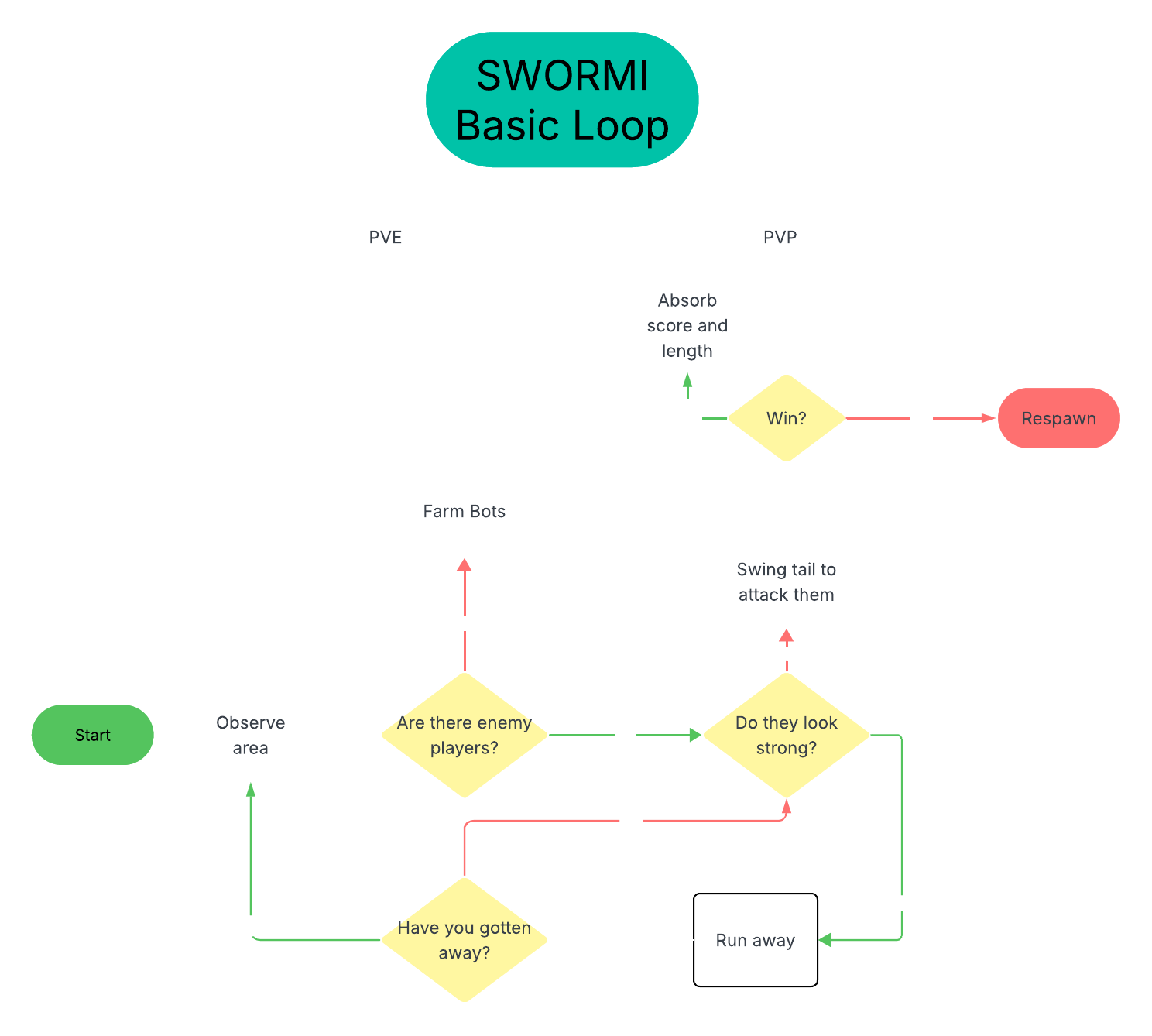
The primary gameplay loop is intentionally simple and readable:
Players begin in a shared hub, advance through a trigger to enter a match, and are placed into an arena with other players and AI-controlled bots. Movement is constant forward momentum, with camera direction directly influencing heading. Players can click on the ground to fire a projectile from the player’s origin toward the raycast hit position.
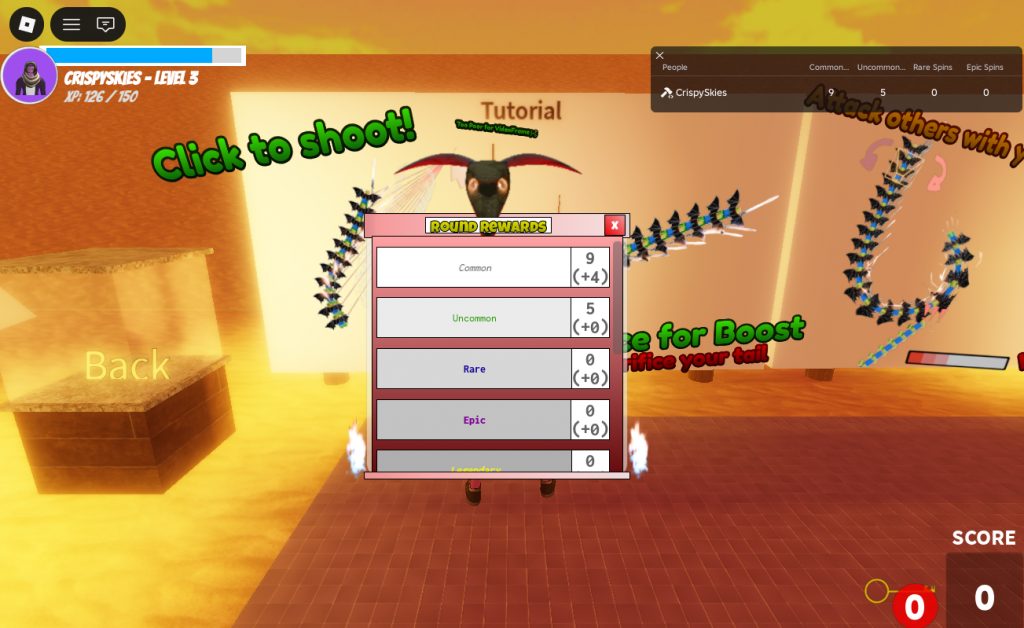
Early play focuses on defeating smaller “AI” bots to acquire segments. Each segment meaningfully increases player power by spawning an additional projectile, creating a clear power budget that scales spatially rather than numerically. This reinforces ruleset expressiveness and allows player strength to emerge organically from spatial positioning and movement mastery rather than raw stat increases. For instance, positioning their snake next to a large, high HP bot for the most amount of projectile hits will deal the most damage.
PvP and Emergent Gameplay
Player versus player combat builds directly on this same ruleset, reinforcing systemic design and composability. Additional segments become both offensive and defensive tools, with the primary objective being to strike opposing players’ heads to deal damage and to protect your own head from other players’ tails.
Through playtesting, a strong emergent gameplay pattern surfaced. Players began rapidly rotating the camera to use their trailing segments as a whip-like weapon, effectively forming a defensive vortex around their head while simultaneously striking opponents. This behavior was not explicitly designed, but emerged naturally from the interaction between movement, camera control, and projectile origins. It was also reported to be extremely fun and true to the fun that was trying to be evoked.
Successfully defeating another player awards 3/4 of that player’s total length, creating a high-risk, high-reward moment that reinforces commitment cost and skill expression.
Balance, Counterplay, and Skill Scaling
While the emergent PvP interactions were engaging, testing revealed a clear dominant strategy at higher power levels. Large snakes could reliably control space and invalidate counterplay, even with a hard size cap in place. This exposed a breakdown in agency bandwidth for smaller players and reduced meaningful choice under high-skill conditions.
To address this, I introduced an external systemic pressure in the form of meteor strikes. Meteors telegraph their impact locations in advance, improving threat projection and combat legibility. When a meteor hits a body segment, all segments beyond the impact point are severed, reducing combat power while preserving score and progression. A direct hit to the head results in an immediate loss.
This system reintroduced asymmetric balance by shifting power toward timing, positioning, and situational awareness rather than sheer size. It also added a soft counter to dominant players without invalidating their success outright. The result is a PvP environment that maintains emergent complexity while preventing runaway dominance.
Progression and Meta Layer
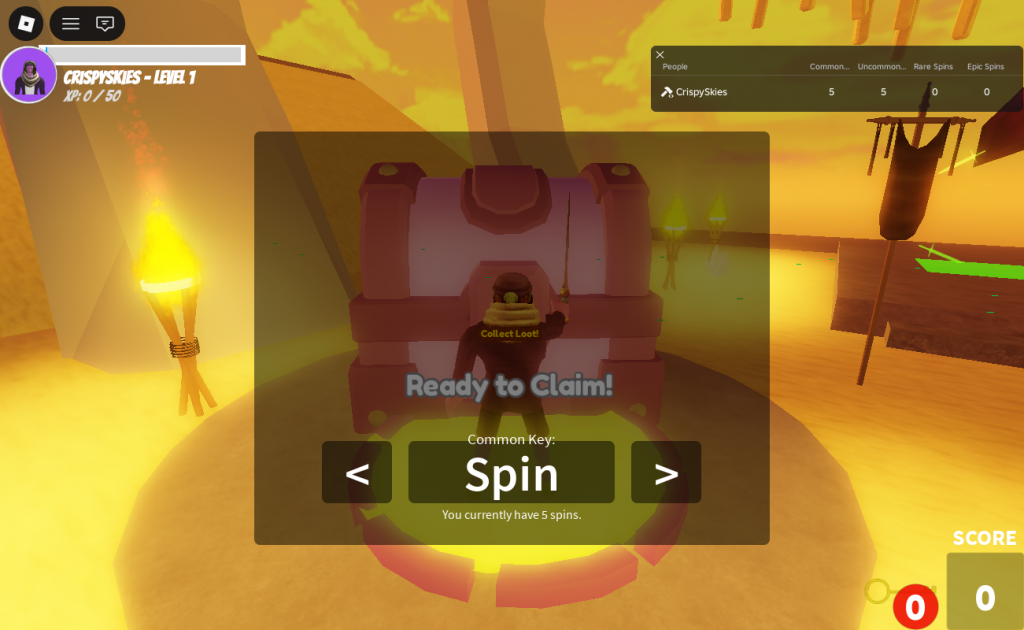
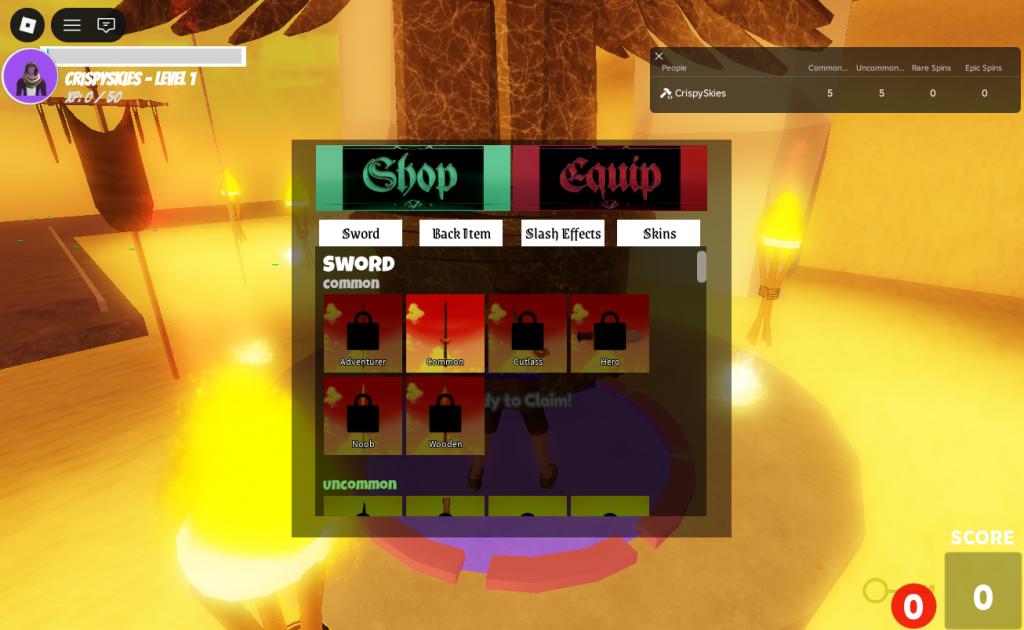
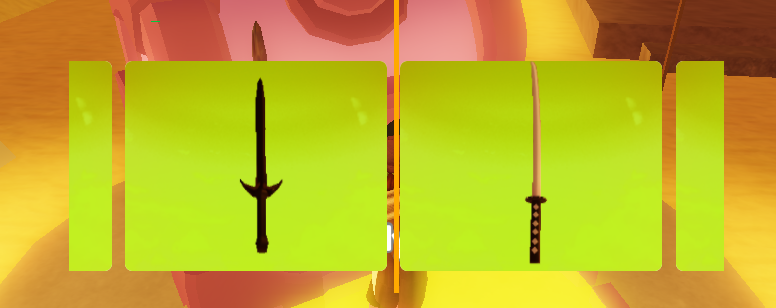
The primary progression twist in Swormi is a roulette-based item system with rarity tiers. There are nine total rarities, with higher-tier items becoming statistically more likely as player level increases. This creates a hybrid progression model that blends horizontal progression through new options with controlled vertical progression through rarity weighting.
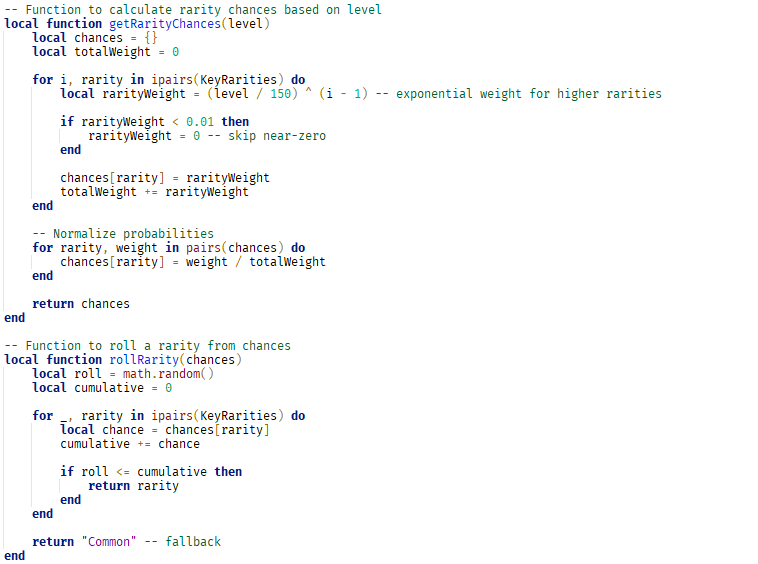
The intent was to support long-term mastery loops and meta-game engagement while preserving system integrity. Items are designed to modify or augment existing mechanics (like the length cap, projectile damage, player speed, projectile range etc.) rather than introduce bespoke rules, maintaining systemic expressiveness and making the game simpler and easier to process.
Plan for Launch
I do not plan on adding any new features or giving the players more verbs to focus on, increasing the cognitive load. The design I am going for is targetted towards Roblox’s largest demographics, according to Roblox’s 2024 study. It is designed to not target male or female since it is almost an equal split, nor is it targeting a specific age group.
What it is built to target is a few very popular genres: RNG, Casual, and Meme/Silly gameplay. It has voice chat enabled for stream-able funny moments that will help generate buzz and spread the game if given to popular streamers. And will work well for short form content like Instagram reels, Youtube shorts, and TikTok.
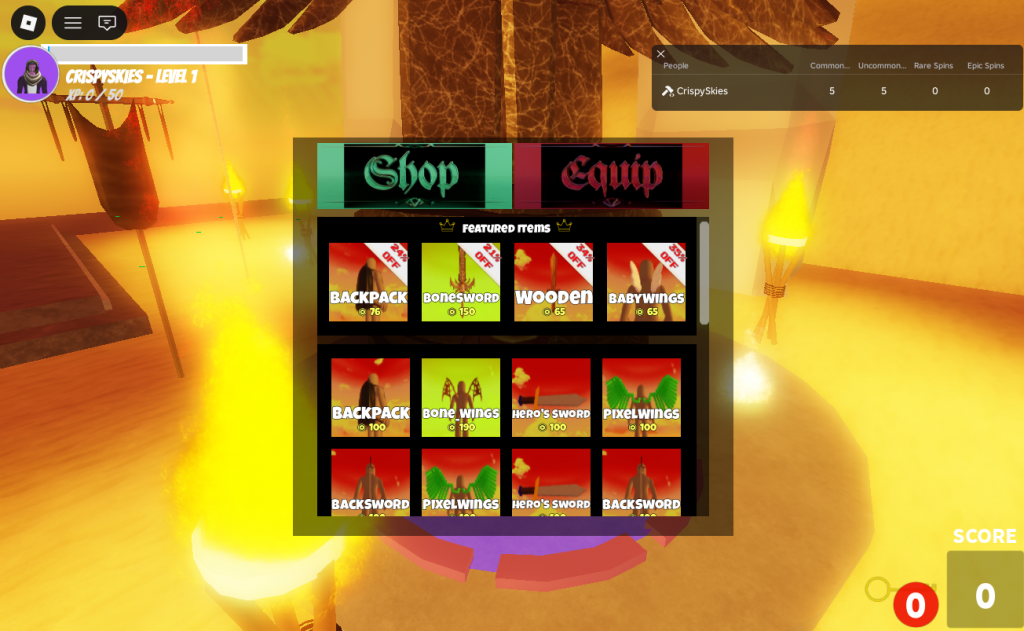
The only thing left to finish before actual launch, which is planned for the start of Febuary, is finishing the shop and doing a few optimizations and bug fixes.
Leave a Reply